
The Essential Role of Exfoliation in Your Skincare Routine and Product Differences

Updated: Jan 7
Exfoliation is not just an extra step; it’s a game-changer for your skincare routine. Picture your skin as a canvas. When it's covered in dead skin cells, it's dull and lacks vibrancy. Exfoliation clears away this buildup, revealing a brighter and healthier complexion. With so many exfoliation products available today, understanding the differences can help you find the best one for your unique skin. This post will explore various exfoliation methods, demonstrating how regular exfoliation enhances the overall health and appearance of your skin.
What is Exfoliation?
Exfoliation refers to the removal of dead skin cells from the skin’s surface. This process is vital for a smooth and radiant complexion. Regular exfoliation helps prevent clogged pores, which can lead to acne and dullness. In fact, studies show that consistent exfoliation can improve skin texture by approximately 30%. Additionally, exfoliating allows your skin to absorb other skincare products more effectively, ensuring you get the most out of your serums and moisturizers.
Exfoliation can be divided into two main categories: physical and chemical. Each category contains various products and techniques that suit different skin types and concerns.
Physical Exfoliation
This method involves using manual techniques or tools to remove dead skin cells. Common forms include scrubs, brushes, and exfoliating gloves.
Scrubs
Scrubs are probably the most recognized form of physical exfoliation. Typically, they contain small granules or particles like sugar, salt, or ground coffee. For instance, a walnut shell scrub can effectively buff away dead skin. However, it’s important to choose a gentle scrub to prevent skin damage. A good rule of thumb is to avoid any scrub with sharp or rough particles, as these can create micro-tears.
Exfoliating Brushes and Tools
These tools can enhance your physical exfoliation routine. From manual brushes to electric devices, they help achieve a deeper clean. For example, a popular brand offers a rotating brush head that exfoliates while gently massaging your skin. It's effective, but it’s crucial to follow usage instructions and not to overdo it, as excessive use can lead to irritation.
Chemical Exfoliation
Chemical exfoliation employs acids or enzymes to dissolve dead skin cells instead of scrubbing them away. This method is often gentler, making it a fantastic option for sensitive skin.
Alpha Hydroxy Acids (AHAs)
AHAs, like glycolic and lactic acid, are commonly found in skincare products. They work by breaking down bonds between dead skin cells. For example, a glycolic acid serum with a concentration of 10% can increase skin renewal by 25% within just a few weeks. AHAs are particularly beneficial for dry or sun-damaged skin because they not only exfoliate but also draw moisture into the skin.
Beta Hydroxy Acids (BHAs)
Salicylic acid is a prime example of a BHA, which is oil-soluble and can deeply penetrate pores. This makes it especially effective for those with oily or acne-prone skin. Research shows that using a 2% salicylic acid product can significantly reduce acne lesions by up to 50% within eight weeks. BHAs exfoliate from within the pore, helping to prevent future breakouts.
Enzymatic Exfoliants
Enzymatic exfoliants use natural enzymes from fruits like papaya and pineapple to dissolve dead skin cells. They're milder compared to AHAs and BHAs, making them a suitable option for sensitive skin types.
Choosing the Right Exfoliation Product
When picking an exfoliation product, think about your skin type and specific concerns. If you have sensitive skin, consider a gentle enzyme exfoliant or a mild AHA. On the other hand, if your skin tends to be oily or is prone to breakouts, a BHA would likely be more effective.
Also, be mindful of how often you exfoliate. Physical exfoliants are typically safe to use 1-2 times a week, while chemical exfoliants can often be used more frequently. For example, many dermatologists recommend starting with a low concentration of an AHA or BHA two or three times a week to gauge your skin’s tolerance.
The Importance of Exfoliation
Regardless of the method you choose, remember that exfoliation is fundamental for healthy skin. Regular exfoliation helps to:
Promote Cell Turnover: Removing dead skin cells encourages the growth of fresh, healthy cells, making your skin look younger and more vibrant.
Improve Skin Texture: Exfoliation can smooth out rough patches and diminish the look of fine lines, giving your skin a polished appearance.
Enhance Product Absorption: Without dead skin cells, your skin can absorb serums and moisturizers more efficiently, leading to better results.
Prevent Breakouts: Regularly keeping your pores clear of dead skin can significantly reduce the chances of acne.
Common Misconceptions About Exfoliation
Many myths surround exfoliation. One prevalent myth is that more exfoliation is always better. Overdoing it can lead to skin irritation and redness. In fact, studies indicate that exfoliating more than three times a week can disrupt your skin's natural barrier.
Another misconception is the notion that physical exfoliation is superior to chemical exfoliation. Both methods can be effective, depending largely on individual skin type and concerns.
Final Thoughts
Exfoliation is an important practice for everyone, regardless of the specific products you use. By understanding the differences between physical and chemical exfoliation, you empower yourself to make choices that best fit your skin’s needs.
Aim to include exfoliation in your routine and watch how it transforms your skin into a healthy, glowing canvas. With persistence and the right choices, you are sure to reap the benefits of a smoother and more radiant complexion.
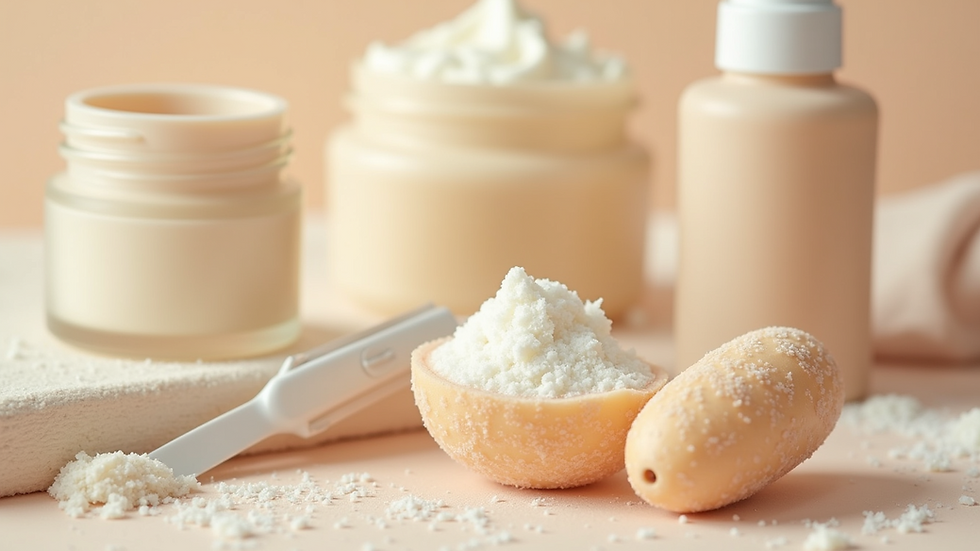
Incorporating exfoliation into your routine may be the key to unlocking the vibrant skin you desire.



Comments