
Here’s What You Need to Know About Mica in Mineral Makeup

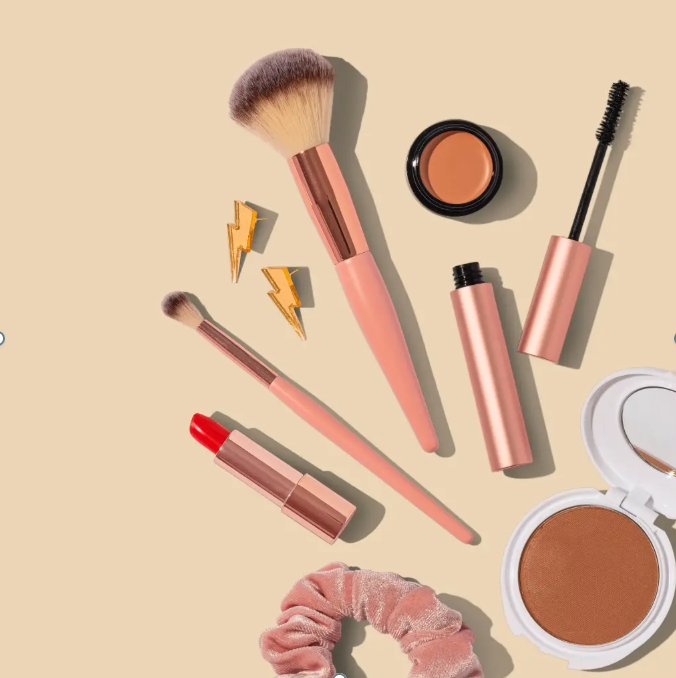
If you're a fan of mineral makeup, you’re likely familiar with mica — a common ingredient found in many powders, foundations, and eyeshadows. Known for its ability to create a shimmery finish and enhance the texture of cosmetics, mica plays a significant role in the beauty industry. However, if you’ve ever noticed irritation or sensitivity after using certain mineral makeup products, you may be wondering: Can I have an allergy to mica?
In this post, we’ll dive into what mica is, how it’s used in mineral makeup, and whether or not it can cause allergic reactions.
What Is Mica?
Mica is a natural mineral that’s widely used in cosmetics and personal care products. It’s known for its reflective properties, which give makeup a subtle glow, shimmer, or matte finish, depending on how it’s processed. Mica is found in various types of makeup, including:
Foundation
Eyeshadow
Blush
Highlighter
Setting powders
Beyond cosmetics, mica is also used in paints, adhesives, and other industrial applications due to its natural ability to resist heat and add a pearlescent effect to products.
Can Mica Cause an Allergic Reaction?
While rare, some people do experience skin irritation or allergic reactions to mica. The symptoms can range from mild redness or itching to more severe reactions such as swelling or rashes. However, it’s essential to distinguish between an actual mica allergy and other common factors that may cause irritation in makeup products, such as:
Other ingredients in the product: Many makeup formulas contain a variety of other ingredients (like fragrances, preservatives, or other minerals) that could be the actual cause of the irritation rather than the mica itself.
Synthetic vs. Natural Mica: Some mica used in makeup products is treated with synthetic chemicals, which may cause allergic reactions in sensitive individuals. Natural mica, on the other hand, is often less likely to cause irritation, although it’s still possible for some to react.
Contaminants: Mica can sometimes be contaminated with impurities during mining or manufacturing, which could contribute to irritation. Opting for high-quality, well-sourced mica may reduce the risk of reaction.
How Do You Know If You’re Allergic to Mica?
If you suspect that mica is causing your skin issues, it’s essential to pay attention to how your skin reacts after applying makeup. Symptoms of a mica allergy can include:
Redness
Itching
Dryness or flaking
Rash or swelling
Burning sensation
If you experience any of these symptoms, it’s best to discontinue using the product and consult with a dermatologist to determine the cause of your irritation.
What to Do If You Have a Mica Allergy
If you’ve been diagnosed with a mica allergy, the most straightforward solution is to avoid makeup products containing mica. Luckily, there are alternatives available. Many makeup brands are now formulating mica-free or hypoallergenic makeup options for those with sensitive skin. Look for products that use ingredients like:
Silica: A natural mineral that can provide a similar texture to mica.
Rice powder: A lightweight, non-irritating alternative that helps absorb oil and smooth the skin.
Talc-free formulas: Some mineral makeup brands are moving toward talc-free, mica-free formulations to provide safer options for sensitive skin.
When in doubt, check the ingredient list and opt for brands that are transparent about the sourcing of their mica and the other ingredients they use.
Conclusion: Is Mica the Culprit?
While mica itself is generally considered safe for use in cosmetics, some people may develop an allergic reaction, especially if they have sensitive skin or react to impurities or additional ingredients in the product. If you suspect you have a mica allergy, it’s crucial to consult with a dermatologist to confirm the cause and explore alternatives for your skincare routine.
For those who love the luminous finish mica provides but need to avoid it, there are plenty of mineral makeup brands that offer mica-free or hypoallergenic products to help you achieve a glowing complexion without the irritation.
Remember: beauty should feel good inside and out, so always listen to your skin and choose products that make you feel confident and comfortable.
Check out this article from my favorite mineral makeup brand for more in depth insight to mica.



Comments